Draft: Zain's voice pass pending. Adapted from a LinkedIn post; he reviews before this publishes.
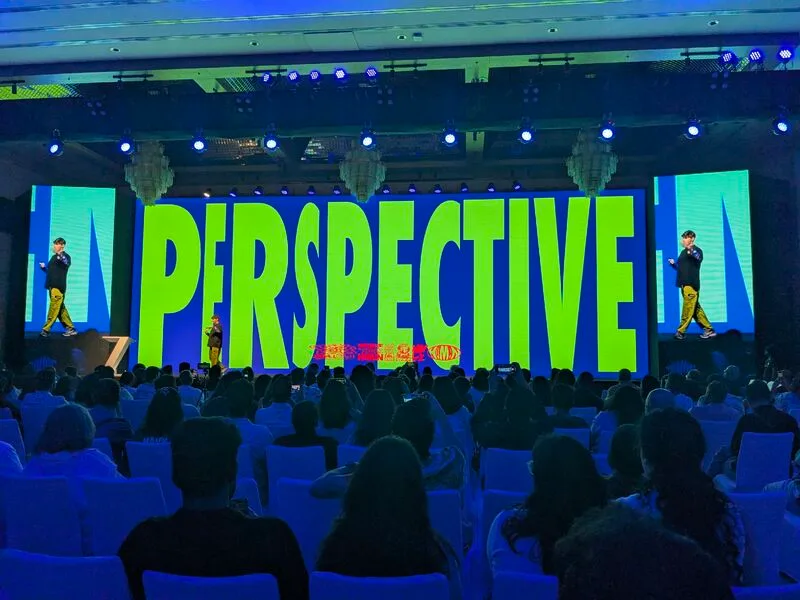
Last month I attended Kyoorius Design Yatra, my first ever design conference, and it changed how I see design, people, and myself. I thought about writing a fancy recap. But this wasn't something you could capture in slides. It wasn't about the sessions; it was about how it shifted my lens on what design actually is.
Design isn't about moving pixels. It's about creating impact on real lives. That realization came back to me a few weeks later, not inside a design tool, but on a delivery run. Normally I'd be checking flows, testing edge cases, noting UX tweaks. This time felt different. When it rains, it's not just about getting wet. It's about protecting your phone, your only tool for work. The delivery delays we complain about are people stuck in the same traffic, just trying to finish their day. I wasn't testing a design anymore. I was living it.
That's when a tiny improvement (one less tap, one smoother flow, one thoughtful detail) stopped being a UX nitpick and started being real impact. For me that's the delivery partners I design for. For you it might be your users or your community. The context changes; the intent stays the same.
Lines from the speakers that stayed with me
- Catalina Estrada: "When we have the power to build bridges, why just use it to build portfolios?"
- Chiara Luzzana: "Sound is not a creation. Sound is emotion."
- Kay Khoo: "If people call you crazy, you're probably on the right path."
- Bibi Seck: went back to his own village to design for his own people. Roots aren't something to escape. They're a foundation.
- Sir David Adjaye: "Art is the superpower that uplifts the underrepresented."
- Lani Adeoye: "Think about what you choose to preserve, what you choose to celebrate, and what you choose to radiate forward."
Design starts where people live, not where pixels move. If you're a designer reading this, step outside your screen once in a while. Observe. Talk to people. Feel their day. The moment you start living empathy instead of just designing for it, the rest follows.