chapter iv · the human behind it
About
The kid who wasn't allowed to touch the computer.
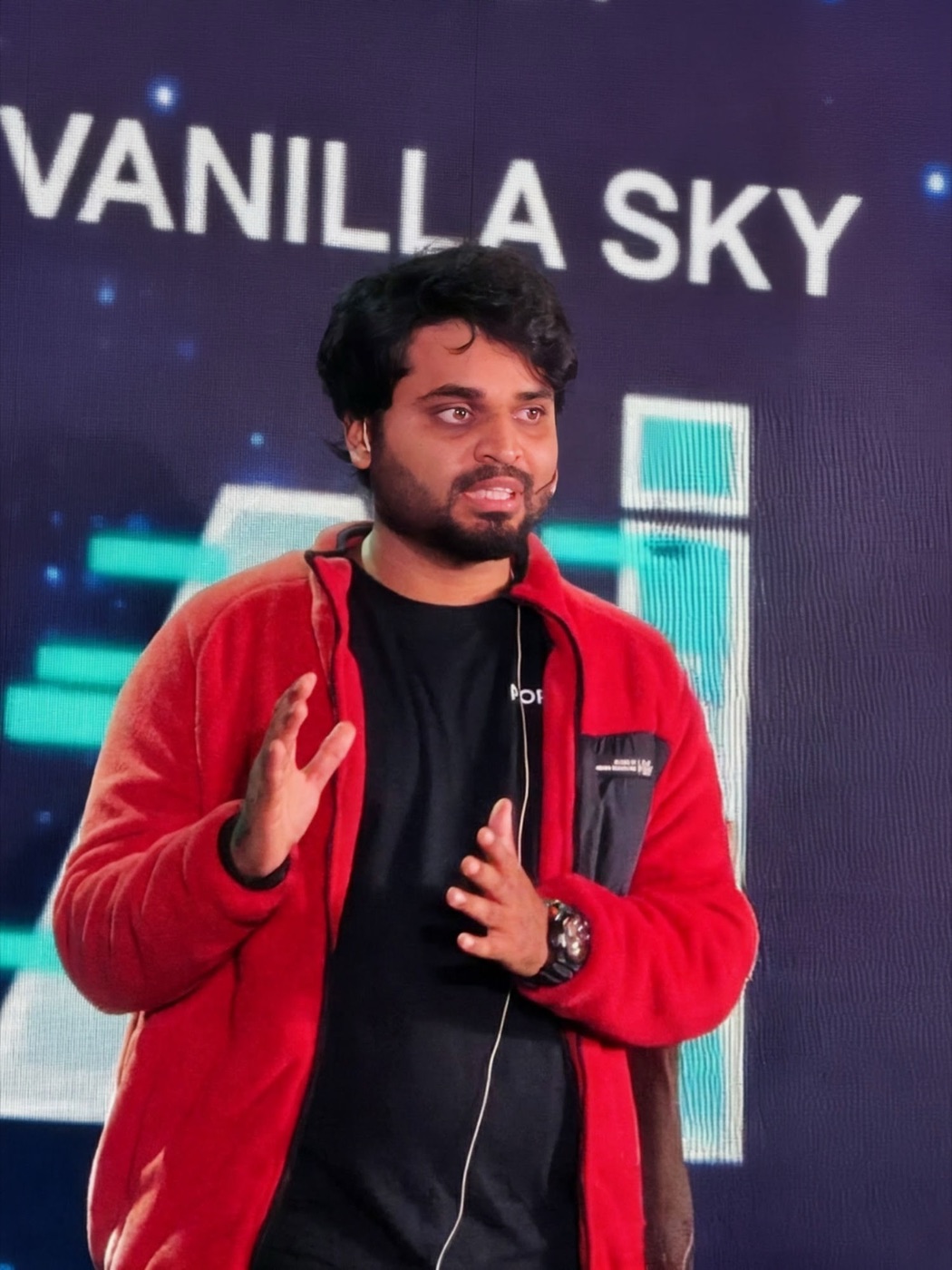
வணக்கம், I'm Zain.
refusing default experiences since the family pc
⚠ Draft for Zain's voice pass. Assembled from his own origin-story thread (2026-07-04). Tone flags already applied: no piracy/storage-workaround admissions, profanity removed, named mentors kept anonymous pending their OK. Zain reviews before this page is announced.
beat 01
The forbidden machine
In the early 2000s my family got its first computer: a beige CRT monstrosity with a floppy drive. My older brother claimed it on arrival: "You don't know anything. You'll mess it up. Don't touch it."
That sentence built my career. I became a ghost in my own house, sneaking onto the PC whenever he stepped away, deep in DirectX configs trying to make Need for Speed: Most Wanted run on a Core 2 Duo with no graphics card. The system would freeze and die mid-chase; I still remember a 30-minute Heat-5 pursuit crashing right at the finish. I replayed it until I'd mastered the game. Then friends started asking me to finish it for them. I once beat it on a friend's iMac in exchange for a Netherlands-Aruba coin for my collection.
I made a vow back then: I'd become the person people ask about technology.
beat 02
The customization years
Before I ever owned a good phone, I sketched the outlines of my dream phones in my school notebooks: dimensions, layouts, interface details. When the Moto G3 finally arrived, I lived inside it: hours on Dribbble hunting wallpapers (I didn't know "design" was a profession yet), then launchers, then rooting, Xposed, GravityBox, then hundreds of custom ROMs flashed and tested. I lived on the XDA forums. I picked my next phone by the size of its ROM-development community. I volunteered as a "Tech Wizard" on a help platform, walking strangers through their tech problems.
I was auditing interfaces and re-designing systems years before I learned there was a word for it.
beat 03
The discipline arc
I studied civil engineering (hard subjects, by choice), then spent two years preparing for the GATE exams in Hyderabad on a 3 AM routine: wake, study hall, Fajr, study, Zuhr, study, Asr, Maghrib, Isha, sleep at 8:30, repeat. The rank never came (COVID froze the second phase), but the discipline did. And on those walks between the study hall and the mosque, listening to my teacher's talks, I found the other thread of my life: seeking the deeper meaning behind things. I have zero regrets about those two years.
Two days on a construction site told me the truth: the work wasn't mine, and there were no tech nerds to vibe with. During lockdown, a senior tech leader in our community had me beta-test his app and was stunned by the depth of the interaction bugs I logged. "You studied civil engineering, yet you're this good at software?" On the highway to Chennai to ask him how to become a developer, my best friend sent me a job description with a title I'd never seen: Product Designer. Reading it felt like my whole childhood had been a syllabus for a job I didn't know existed.
I came home, packed away four years of civil engineering, and taught myself product design in a three-month, 3 AM-discipline sprint. I landed my first role as the founding designer at a startup: first employee, wearing every hat (design systems, marketing, video, user journeys).
beat 04
The overcompensation
My first work machine was a dying 7-year-old Dell; copying a Figma frame took five seconds. I kept it alive with Linux distros, an SSD swap, extra RAM, even remote cloud rigs, while saving for the machine I actually wanted. I knew its price by heart: ₹76,410, the M1 Mac Mini with student discount. I'd looked it up hundreds of times. When the Dell finally died, my father offered to buy me a laptop. I refused. In college I'd vowed my first real machine would be bought with my own money. And it was.
Today my desk has the OLED monitor, the Pixel, the good keyboard I bought one piece at a time while I couldn't afford the computer. People see the setup and think it's tech consumerism. It's not. Every piece answers a specific wound. I'm no longer the kid sneaking onto a PC in the dark. I built the machine, and I paid for every pixel of it.
beat 05
Why this makes me a better designer
Rooting phones at 18 taught me systems, constraints, and user friction long before Figma did. Refusing default experiences is the whole job: the locked PC, the stock launcher, the dying laptop, and now the way design teams work without AI. I've never accepted a default. I re-flash them.
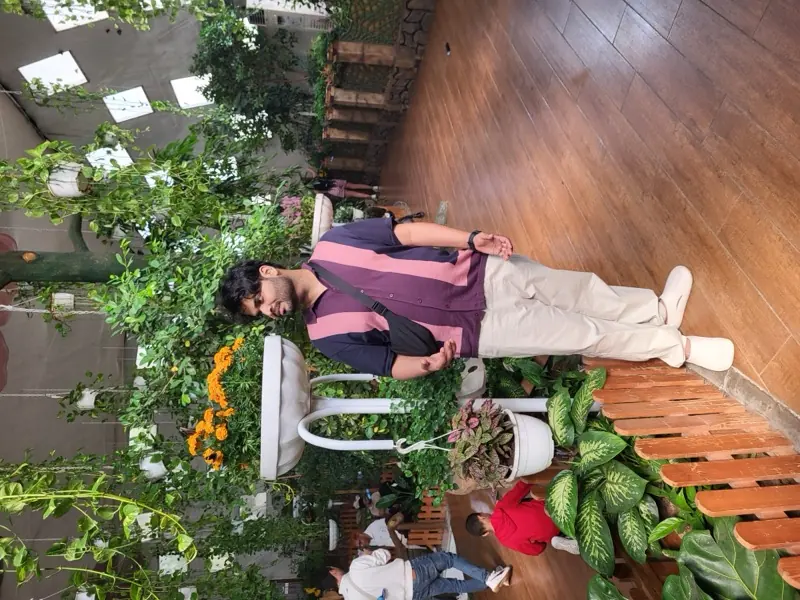
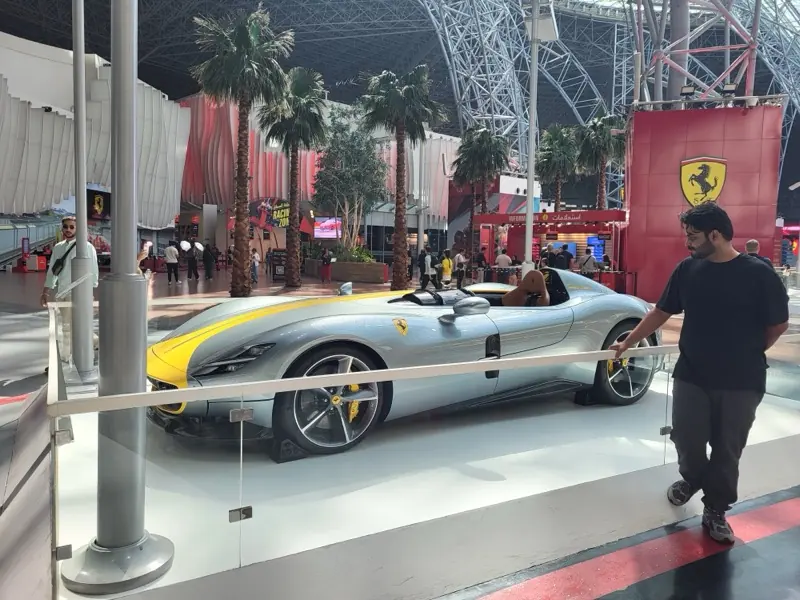
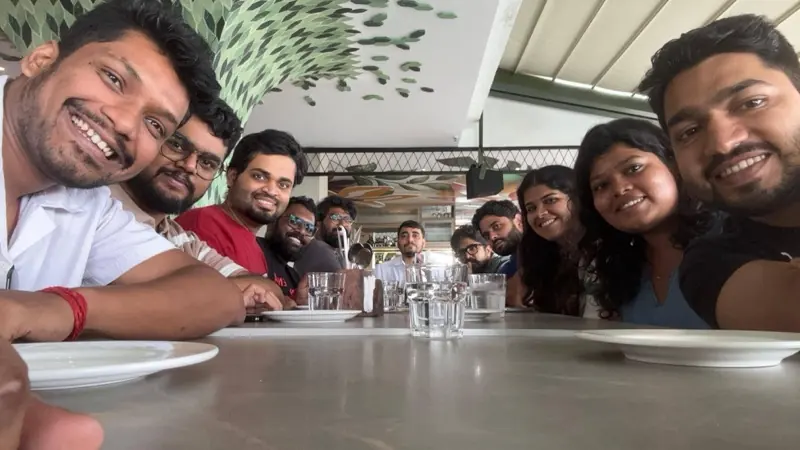
off the clock
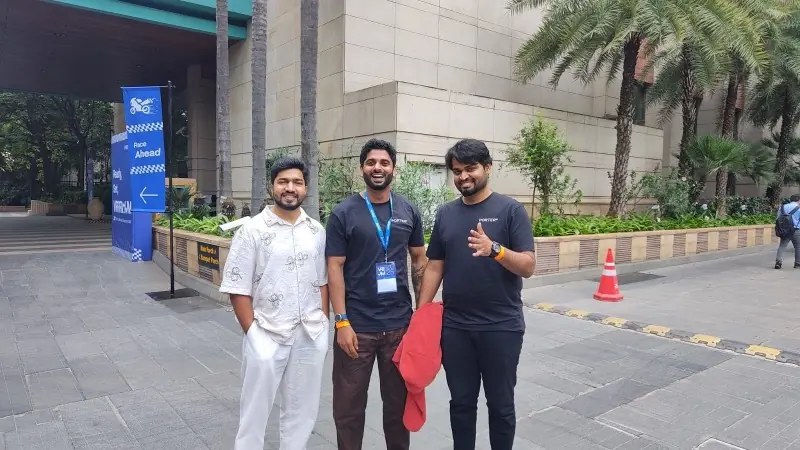
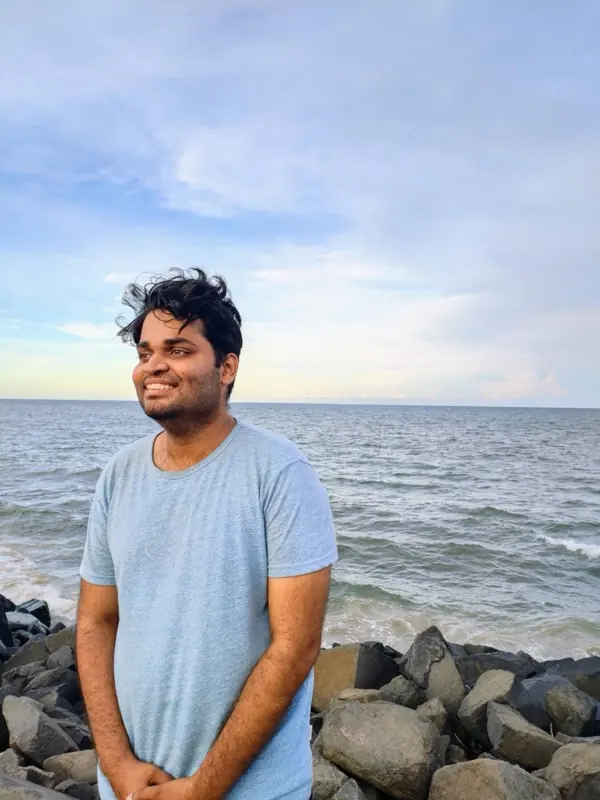
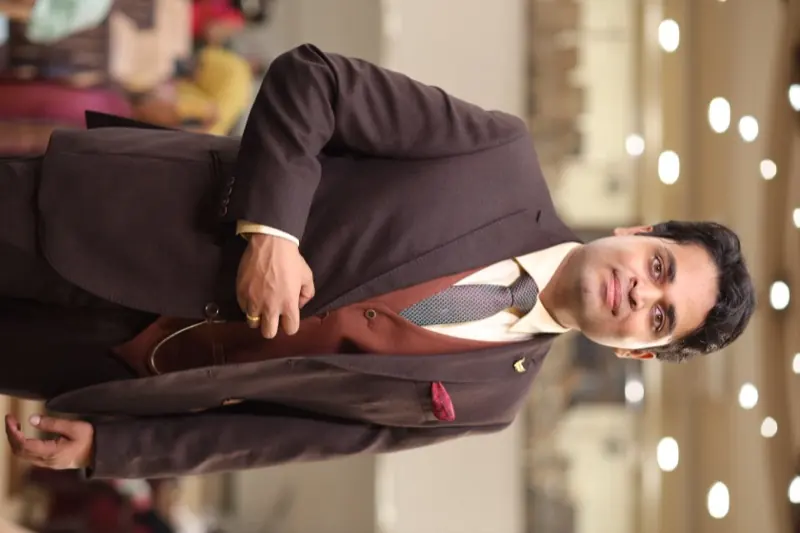
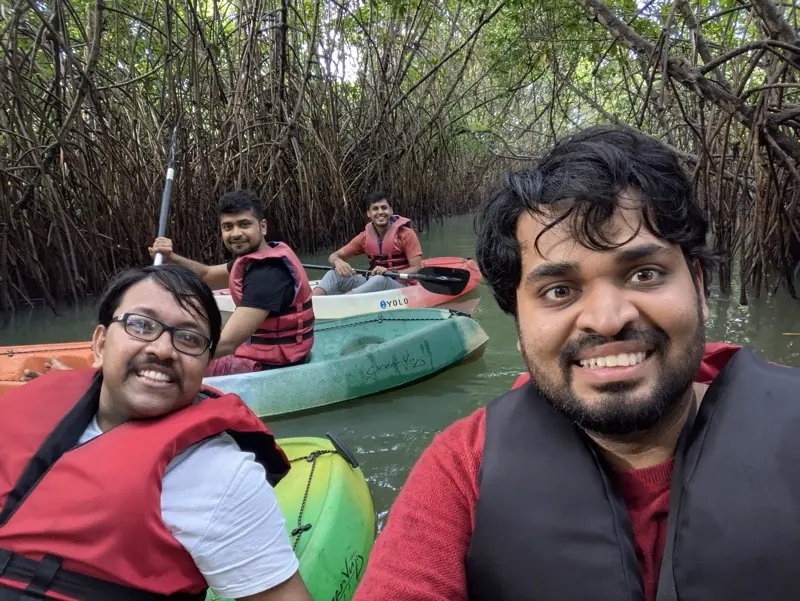

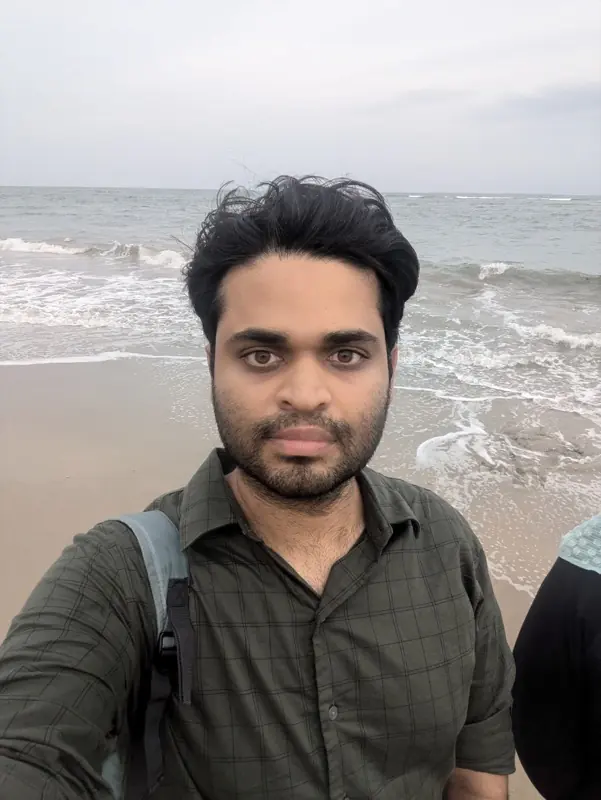

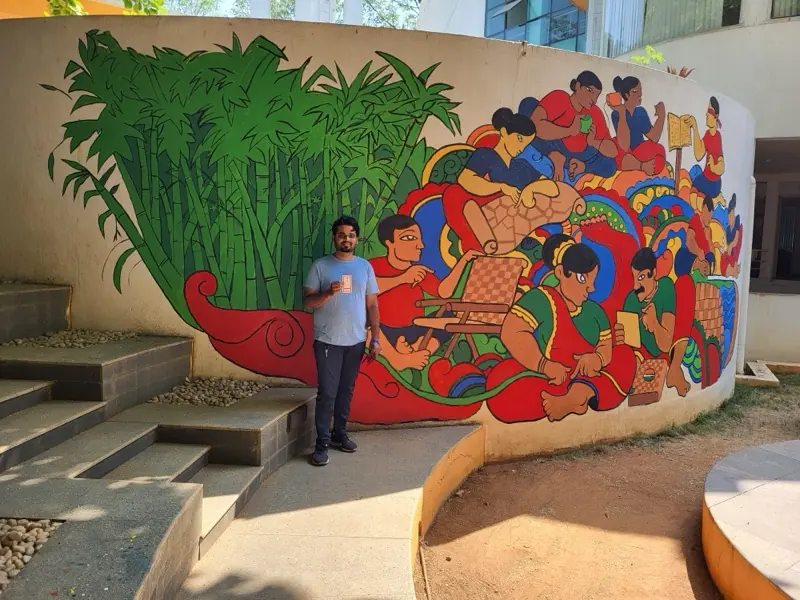
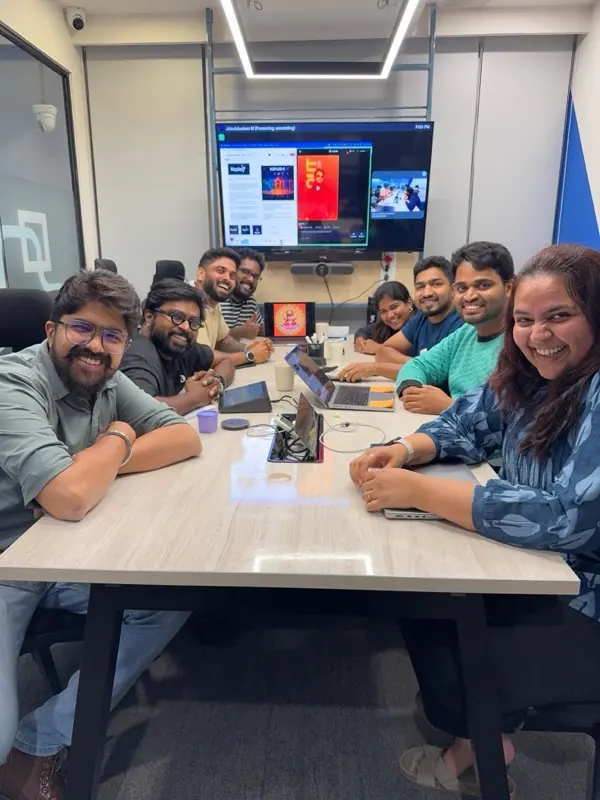
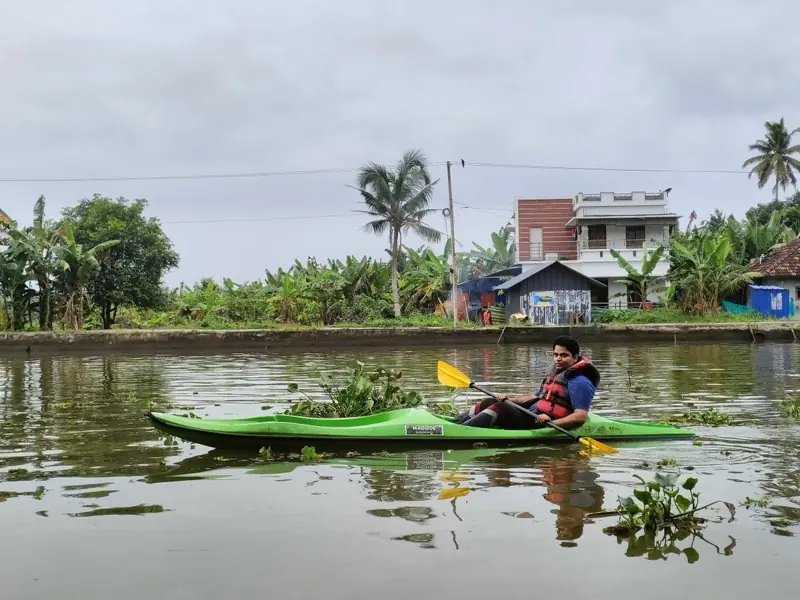
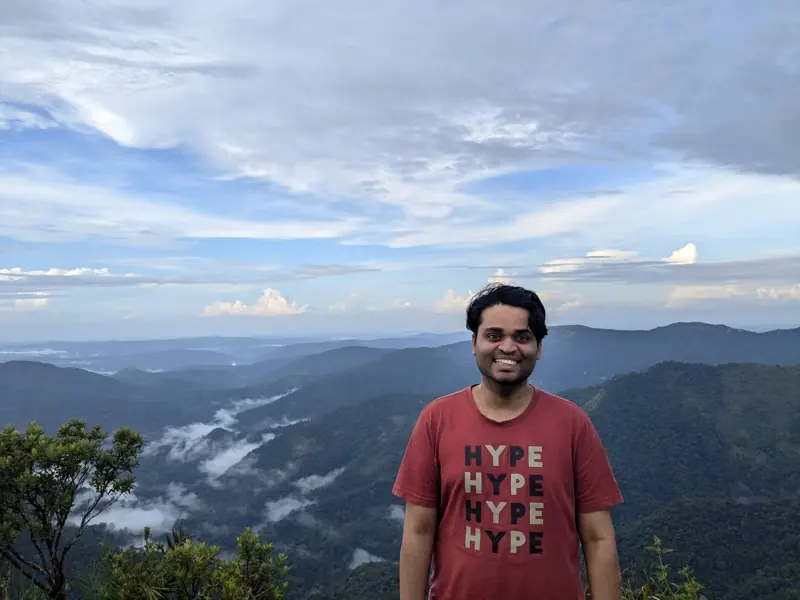
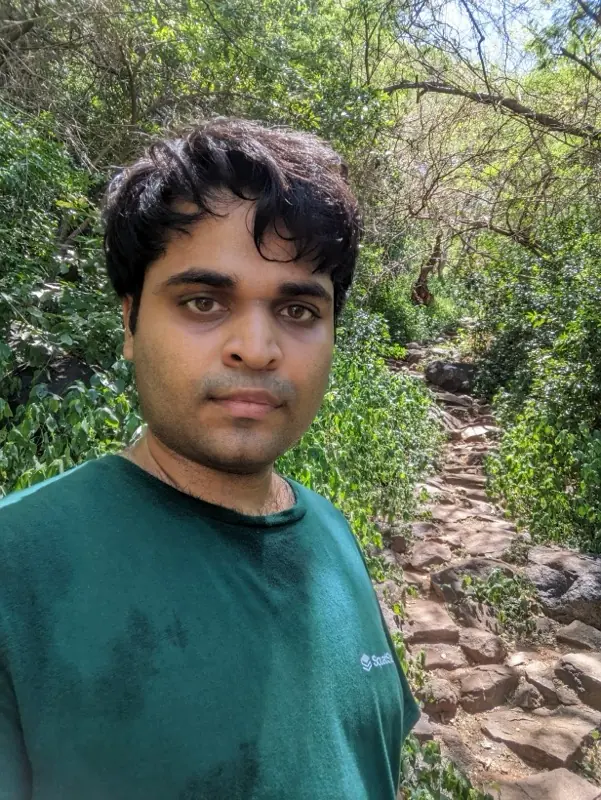
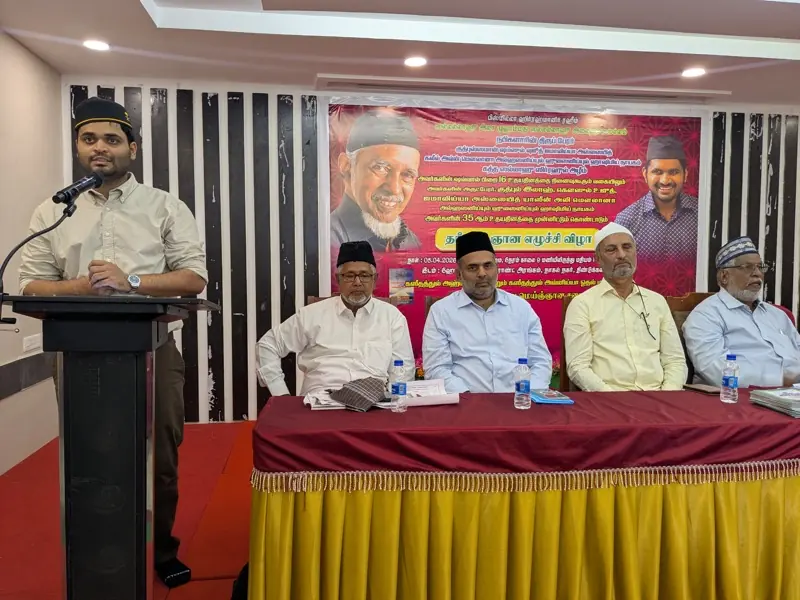
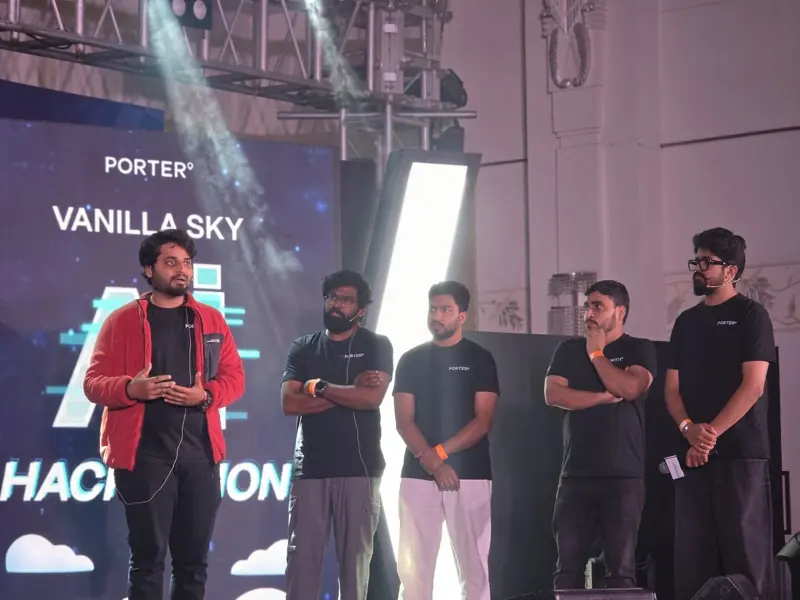
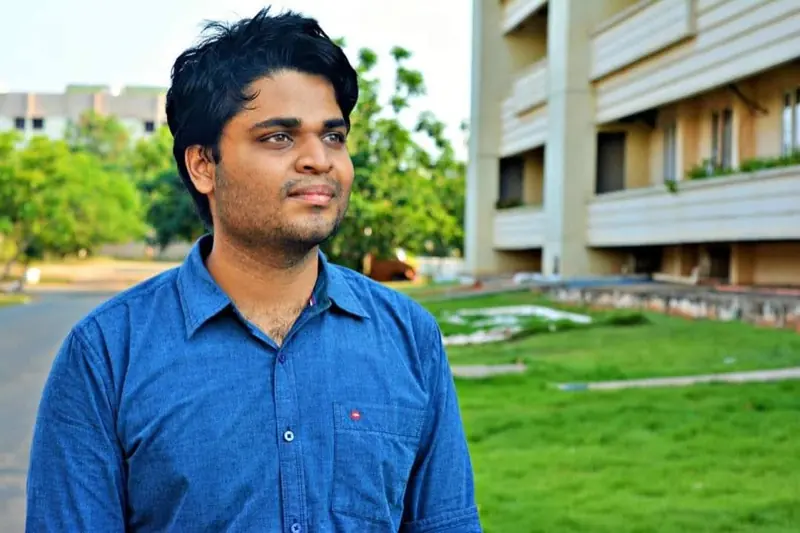
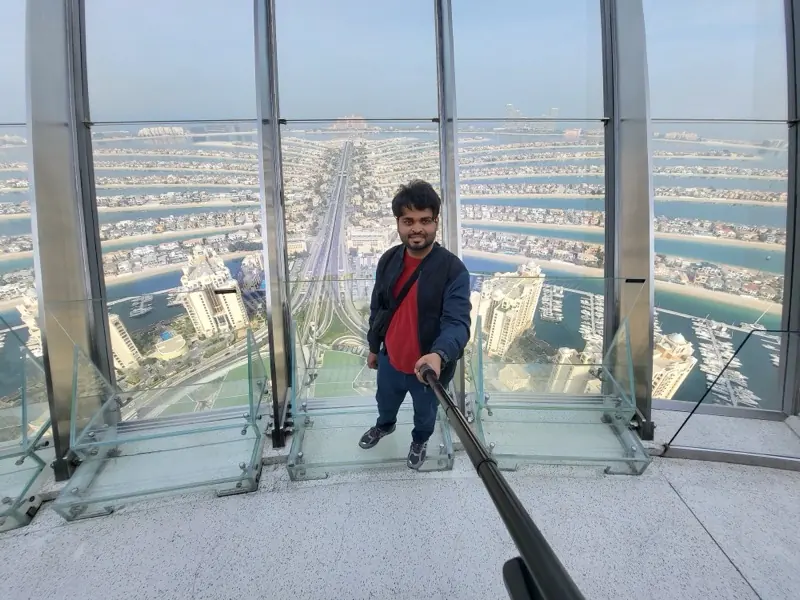
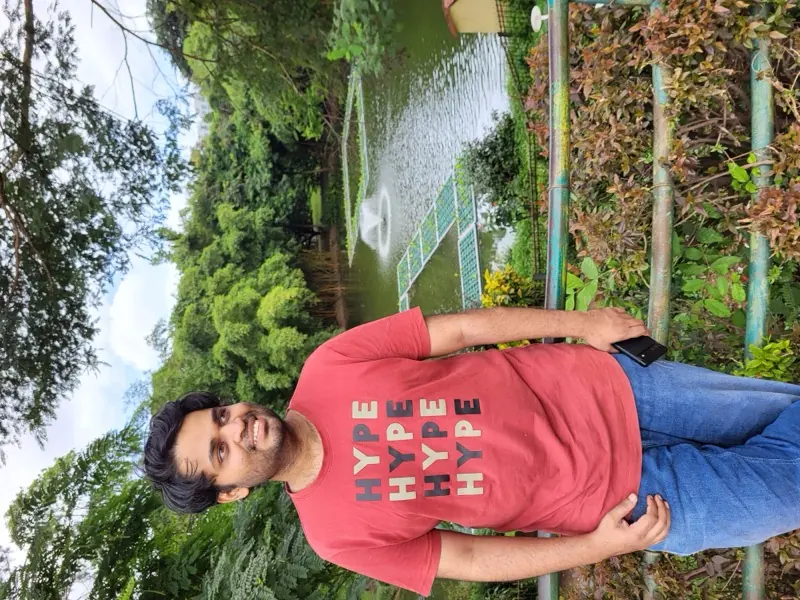
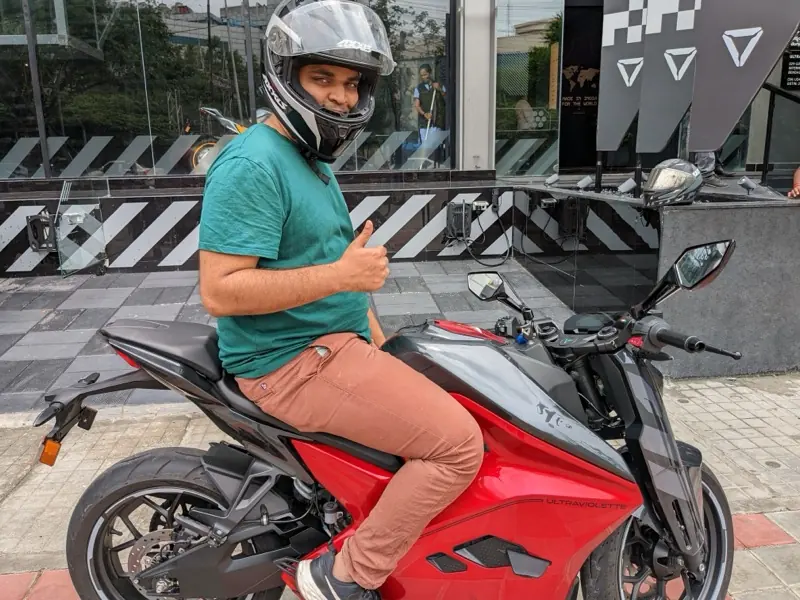
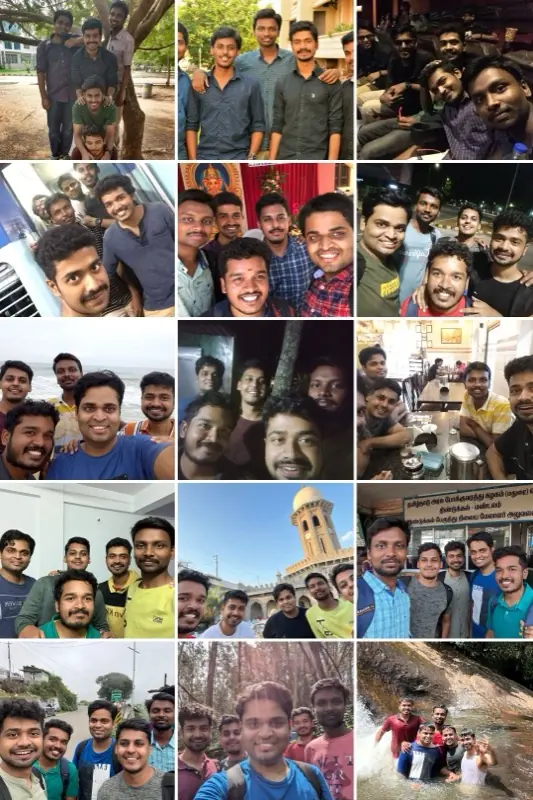
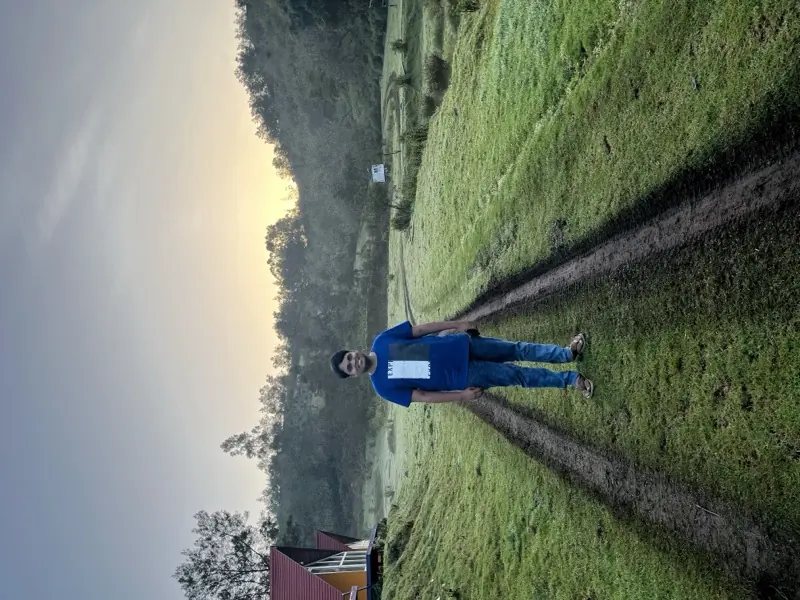
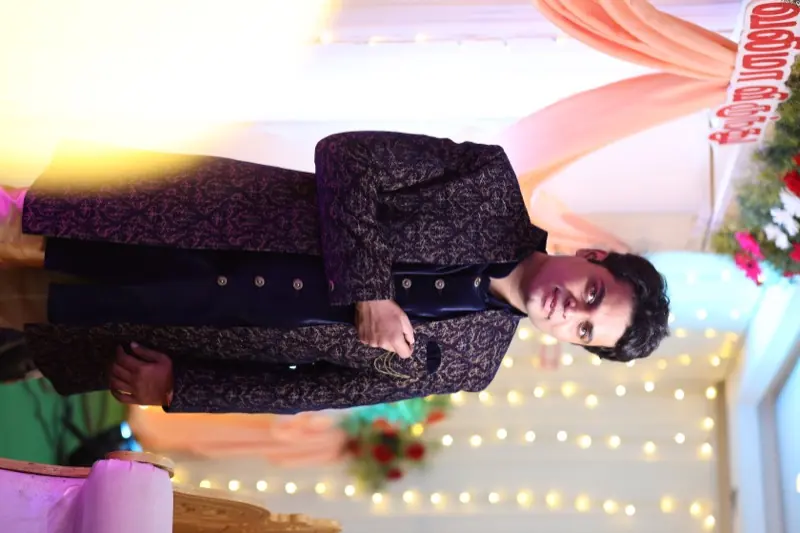
04 / 29
the operating manual
How to Work With Me
A short operating manual, because guessing is slower.
How I think
- Systems first. I look for the underlying structure before touching screens: the IA, the tokens, the operating rhythm. Fixing the system beats polishing the symptom.
- Commit hard. When I take something on, I go all in. The same pattern since I was flashing my hundredth custom ROM at 2 AM.
- Evidence over opinion. Bring me a number, a recording, or a user quote and I'll change my mind in a minute.
How I communicate
- Direct, low-jargon, honest about uncertainty. If something is weak, I'll say so, and I want the same courtesy.
- Async-friendly by default; deep-work blocks are sacred, meetings earn their slot.
- I'd rather over-document than re-explain. Everything important becomes a written artifact.
What energizes me
Shipping. Teaching a tool to someone and watching their week get faster. Hard problems with a measurable "after." Fellow tech nerds.
What drains me
Process theatre. Decisions that reopen without new information. "That's how we've always done it" as an argument.
Feedback
Give it straight and early. I treat feedback as free QA on my thinking: the sooner it lands, the cheaper the fix.